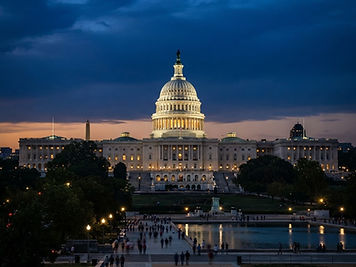
While the country watched the top of the ticket, the judiciary changed beneath it, one race at a time. The judges elected this cycle will shape voting rights and civil rights for a generation.
Judicial races are the part of the ballot most voters skip, which is precisely why they have become the part of American government that changes most consequentially. A governor serves four years. A state supreme court justice serves a generation.
The history of firsts on the bench is a record of doors opened under pressure. In 1961, Reynaldo Garza became the first Hispanic federal judge in the United States, appointed to the Southern District of Texas. In 1966, Constance Baker Motley, who had argued civil rights cases alongside Thurgood Marshall and wrote the legal brief that freed the Birmingham protesters, became the first Black woman appointed to a federal judgeship. One year later, Marshall himself joined the Supreme Court as its first Black justice.
The state courts followed more slowly. Cruz Reynoso became the first Latino justice of the California Supreme Court in 1982, then lost a retention election four years later in a campaign that changed how judicial races were fought and funded. In 2009, Sonia Sotomayor became the first Latina on the Supreme Court; in 2022, Ketanji Brown Jackson became the first Black woman to sit there.
Those are the national names. The ones that matter most in daily life are the ones most voters could not name: the county judges who set bail, the appellate panels that review voting maps, the state supreme courts that decide whether a legislature can redraw a district in the middle of a decade.
That is why this cycle's judicial results deserve the same attention as the governor's races. In state after state, voters seated judges whose backgrounds reflect the communities appearing before them, and in several states they elected the first Black, Hispanic, or Asian American jurist to serve on the state's highest court. Judicial firsts do not announce themselves with confetti. They announce themselves with a docket.
The bench is where a wave becomes permanent. A governor can be term limited out. A justice appointed at fifty can shape a state's law at seventy. Watch the courts, and you will know whether the history written this year lasts.
Published in The History Issue